
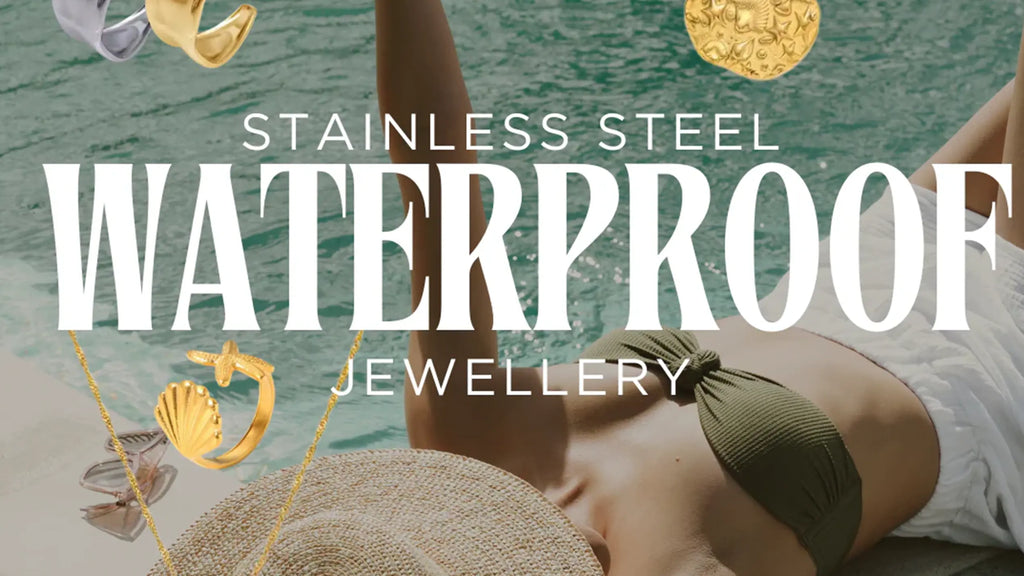
"Why Premium 316L Stainless Steel is the Ultimate Choice for Waterproof Jewellery"
When it comes to jewellery, durability and style should go hand in hand—especially for those who live an active lifestyle. For anyone who enjoys swimming, travelling, or simply doesn’t want to worry about taking off their accessories, Premium Stainless Steel stands out as the best metal choice for waterproof jewellery.
In this blog, we’ll explore the numerous benefits of premium stainless steel and why it should be your go-to material for elegant and resilient jewellery.
1. Exceptional Durability
Unlike traditional metals that can tarnish, rust, or corrode when exposed to water, premium 316L stainless steel signifies a high-quality, low-carbon grade of stainless steel known for its durability, corrosion resistance, and hypoallergenic properties, making it ideal for body piercings and everyday wear.
Its robust nature makes it perfect for everyday wear and aquatic adventures, ensuring that your jewellery remains as stunning as the day you bought it.
2. Water and Corrosion Resistant
One of the most significant advantages of 316L Stainless Steel is its innate ability to resist moisture and corrosion. This means no more worrying about taking your favourite necklace off before swimming in the pool or ocean. With premium stainless steel, you can dive in and stay stylish without compromise!
3. Hypoallergenic Properties
For many, metal allergies can be a major concern. The "L" in 316L signifies that the alloy has a low carbon content, enhancing its durability and reducing the risk of skin irritation. So it is less likely to cause skin irritation or allergic reactions. This quality allows wearers to enjoy their jewellery without fear of discomfort, making it an ideal choice for everyone.
4. Timeless Style and Versatility
In addition to its practical benefits, premium stainless steel offers a sleek and modern aesthetic that complements any outfit. Whether you’re dressing up for a night out or heading to a casual gathering, your stainless steel jewellery can seamlessly transition from chic to sporty, providing you with versatile styling options.
5. Eco-Friendly Choices
Sustainability is a growing concern for many consumers today. Stainless steel is often made from recycled materials, making it an environmentally conscious choice. By opting for stainless steel jewellery, you’re not only treating yourself to beautiful pieces but also supporting eco-friendly practices in the fashion industry.
6. Low Maintenance
Caring for premium stainless steel jewellery is incredibly easy. Unlike other materials that require special cleaning and care, stainless steel can be easily cleaned with mild soap and water. This low maintenance factor makes it a perfect choice for busy individuals who want to keep their jewellery looking fabulous without the hassle.
When choosing the perfect metal for waterproof jewellery, premium stainless steel emerges as the clear winner. Its durability, resistance to corrosion, hypoallergenic properties, and timeless style not only meet the needs of an active lifestyle but also cater to modern-day sensibilities around sustainability.
Whether you're out for a swim or simply want to wear your favourite pieces without worry, premium stainless steel jewellery combines beauty and functionality seamlessly—making it the ultimate choice for today's dynamic individuals. Embrace the elegance and resilience of premium stainless steel and discover how it can elevate both your style and your love for adventure!

If you've ever found yourself fidgeting with a ring, twisting a bracelet, or running your fingers over a textured surface to calm your mind — you've already experienced the essence of sensory jewellery. But what exactly is it, and who can benefit from wearing it?
What is Sensory Jewellery?
Sensory jewellery is a category of wearable accessories specifically designed to engage the senses — particularly touch — in a calming, grounding, or stimulating way. Unlike traditional jewellery that's purely decorative, sensory pieces are crafted with intentional textures, moving parts, or tactile elements that invite interaction.
Common features include spinning outer bands, beaded or ridged surfaces, smooth polished finishes, and lightweight materials that feel comfortable against the skin all day long.
Who Benefits from Sensory Jewellery?
Sensory jewellery was originally embraced by the neurodivergent community, but its benefits extend far and wide. Here's who tends to find it most helpful:
People with Anxiety
Repetitive, rhythmic movements — like spinning a ring — can activate the body's calming response. Having a discreet fidget tool on your finger means you always have something to redirect nervous energy into, whether you're in a meeting, on a flight, or navigating a stressful social situation.
Those with ADHD
For people with ADHD, keeping hands busy can actually improve focus. Sensory rings provide a subtle, socially acceptable outlet for the need to move, helping to channel restless energy without distraction.
Autistic Individuals
Many autistic people engage in stimming — self-stimulatory behaviour — as a way to regulate sensory input and emotions. Sensory jewellery offers a beautiful, wearable stim tool that can be used anywhere, anytime.
People with Sensory Processing Differences
Whether sensory-seeking or sensory-sensitive, many people find that having control over a specific tactile input helps them feel more grounded and regulated throughout the day.
Anyone Who Fidgets
You don't need a diagnosis to benefit from sensory jewellery. If you're a pen-clicker, a hair-twirler, or a nail-biter, a sensory ring can be a beautiful and effective alternative.
What Makes Wyldflower Sensory Jewellery Different?
At Wyldflower Jewellery, our sensory pieces are designed to be as beautiful as they are functional. We believe that jewellery that supports your wellbeing should never feel clinical or compromise on style. Each piece is crafted with care, using hypoallergenic materials that are gentle on sensitive skin.
Our Sensory Jewellery collection includes a range of rings with different textures and finishes to suit different sensory preferences. Some of our most loved pieces include:
- The "Lavender" Sensory Ring — a delicate, calming design perfect for everyday wear
- The "Starlight" Sensory Ring — featuring a spinning outer band for satisfying tactile feedback
- The "Stardust" Sensory Ring — a textured design that's as grounding as it is gorgeous
- The "Maple" Sensory Ring — a smooth, minimalist style for those who prefer subtle stimulation
How to Choose the Right Sensory Jewellery
The best sensory jewellery is the kind you'll actually want to wear every day. Here are a few things to consider:
- Texture preference: Do you prefer smooth or ridged surfaces? Spinning elements or static ones?
- Fit: A well-fitting ring is essential — too loose and it won't feel grounding, too tight and it becomes a distraction. Check out our ring size guide to find your perfect fit.
- Material: Look for hypoallergenic options, especially if you have sensitive skin or metal allergies.
- Style: You're more likely to wear it consistently if you love how it looks!
Ready to Explore?
Whether you're shopping for yourself or looking for a thoughtful gift for someone who could use a little extra calm, our Sensory Jewellery collection is a wonderful place to start. Each piece is designed with love, intention, and a deep understanding of what it means to need a little sensory support in your day.

Tired of Jewellery That Leaves Your Skin Red, Itchy or Green?
Have you ever bought a beautiful new necklace or pair of earrings, only to find yourself dealing with an itchy, red rash hours later? If so, you are not alone. Metal allergies, particularly to nickel, are incredibly common. This is exactly why the term "hypoallergenic" has become so important in the jewellery industry.
But what does hypoallergenic actually mean, and how can you ensure the pieces you love won't irritate your skin? In this post, we will explore why hypoallergenic jewellery matters and why 316L stainless steel is widely considered the gold standard for sensitive skin.
At Wyldflower Jewellery, every piece is designed with comfort, durability and everyday wear in mind. That's why we use premium 316L stainless steel, one of the best materials available for people with sensitive skin.
Most jewellery allergies are caused by base metals used in alloys, with nickel being the primary culprit. Nickel is frequently mixed with other metals to increase strength or provide a brighter finish. Even expensive pieces like white gold often contain nickel.
When nickel ions are released from the jewellery and absorbed into the skin—often triggered by sweat or friction—the immune system can recognize them as a threat. This leads to allergic contact dermatitis, resulting in redness, itching, swelling, and sometimes even blistering.
When searching for safe, skin-friendly jewellery, you will frequently encounter the term 316L Stainless Steel. Often referred to as "surgical steel" or "marine-grade steel," 316L is a specific alloy that offers exceptional benefits for jewellery making.
What Makes 316L Special?
The "316" refers to its specific composition—a blend of iron, chromium, nickel, and molybdenum. The "L" stands for low carbon. While it does contain a small amount of nickel, the way the alloy is structured is what makes it safe. The low-carbon structure and the addition of molybdenum tightly bind the nickel within the metal, preventing it from leaching out onto your skin.
You can confidently wear your jewellery while:
- Showering
- Swimming
- Exercising
- Sleeping
- Washing your hands
- Living your everyday life
Less removing means less irritation and more convenience.
5 Reasons We Choose 316L Stainless Steel
We are committed to providing beautiful pieces that you can wear comfortably all day, every day. Here is why we trust 316L stainless steel:


Here is a breakdown of why 316L stainless steel is better than 304 stainless steel, especially for jewellery:
-
Molybdenum Content – 316L contains 2–3% molybdenum, which 304 does not. This makes it significantly more resistant to corrosion, especially in saltwater, sweat, and harsh environments.
-
Superior Corrosion Resistance – 316L is more resistant to pitting and rust caused by chlorides (like seawater and cleaning chemicals). 304 is more prone to tarnish and corrosion over time.
-
Better for Sensitive Skin – 316L has a lower carbon content (“L” = low carbon), making it gentler and hypoallergenic compared to 304, which can sometimes cause irritation.
-
Longevity & Durability – Jewellery made from 316L lasts longer, keeping its shine and structural integrity, whereas 304 may dull, pit, or corrode faster.
-
Higher-Grade Standard – 316L is considered a “surgical grade” stainless steel, trusted for medical implants and body jewellery, while 304 is more of a general-use kitchen/industrial grade.
-
Premium Look & Value – Because of its strength, resistance, and safety, 316L is the preferred choice for luxury and waterproof jewellery brands, while 304 is often used in cheaper alternatives.
👉 In short: 304 is fine for cutlery and kitchen sinks, but 316L is made for skin contact, saltwater, and everyday wear — making it the superior choice for jewellery.

Why Choose Stainless Steel over Sterling Silver for your Jewellery?
Sterling silver is beautiful, but it requires regular polishing and can tarnish over time. Premium 316L stainless steel jewellery is made for everyday wear—it's waterproof, tarnish-free, hypoallergenic, scratch-resistant and incredibly durable. Whether you're showering, swimming, exercising or simply living life, 316L stainless steel keeps its shine with minimal maintenance. If you're looking for jewellery that lasts longer, looks luxurious and won't let you down, 316L stainless steel is the smarter investment.


The Benefits of Water-Safe Jewellery: Style Meets Durability
Water-safe jewellery has become a popular choice for those who love to combine style with functionality.
Here are some key benefits that highlight the appeal of these durable pieces:
1. Versatile Wear: Water-safe jewellery is designed to withstand exposure to water, making it perfect for various occasions—whether you're at the beach, poolside, or simply enjoying a rainy day. You can wear it without worry, knowing it won't be damaged by sweat or moisture.
2. Durability and Longevity: Crafted from high-quality materials such as stainless steel, silicone, or specially treated metals, water-safe jewellery is resistant to rust, tarnish, and corrosion. This durability ensures that your favourite pieces last longer, maintaining their beauty over time.
3. Easy Maintenance: Unlike traditional jewellery that may require special care, water-safe pieces are often easier to clean and maintain. Most can be rinsed off with water, and occasional mild soap solutions can help keep them looking new. This convenience is a major plus for busy lifestyles.
4. Fashion Forward: Water-safe jewellery comes in a wide range of styles, colours, and designs, making it easy to find pieces that match your personal style. From elegant bracelets to trendy necklaces, there are options for every taste, ensuring you never have to sacrifice style for functionality.
5. Peace of Mind: With water-safe jewellery, you can enjoy your activities without the worry of losing or damaging your accessories. Whether swimming, exercising, or engaging in outdoor adventures, you can focus on your experience rather than constantly checking your jewellery.
6. Perfect for Active Lifestyles: For fitness enthusiasts, travellers, and those with an active lifestyle, water-safe jewellery offers a practical solution that complements workouts and outdoor activities. Its resilience makes it the ideal companion for those who lead dynamic lives.
7. Great for Gifting: Water-safe jewellery makes a thoughtful gift for friends and family, especially for those who love outdoor activities or travel. Its versatility and durability make it a practical choice that recipients can enjoy for years.
In conclusion, water-safe jewellery combines durability with style, making it an ideal accessory for everyday wear and adventure. With benefits ranging from easy maintenance to a wide variety of designs, it's no wonder that this trend is gaining popularity among fashion-conscious individuals who want jewellery that keeps up with their active lifestyles.
Explore the options available, and discover how water-safe jewellery can elevate your accessory collection!

"Caring for Your Water-Safe Jewellery: Dos and Don'ts"
Your go to guide on how to properly care for your water-safe jewellery to ensure longevity, from cleaning tips to storage advice.
Sure! Here’s a list of dos and don’ts for caring for your water-safe jewellery while not wearing it, along with effective cleaning methods:
Dos and Don'ts for Caring for Water-Safe Jewelry:
Dos:
1. Store Properly: Keep your jewellery in a cool, dry place. Use a jewellery box or pouch to prevent tangling and scratching.
2. Keep Away from Chemicals: Although water-safe, avoid prolonged exposure to harsh chemicals (like chlorine or bleach) to maintain the integrity of the materials.
3. Use Soft Cloths: Store jewellery wrapped in a soft cloth to protect it from dust and scratches.
4. Check for Damage: Regularly inspect your jewellery for any signs of wear or damage, ensuring clasps and settings are secure.
5. Separate Pieces: Store different pieces separately to avoid scratching or tangling.
Don'ts:
1. Avoid Direct Sunlight: Don’t expose your jewellery to direct sunlight for extended periods, as this can lead to fading or discoloration.
2. Don’t Store in Humid Areas: Avoid storing jewellery in humid places like bathrooms, which can contribute to tarnishing.
3. Don’t Use Harsh Cleaners: Avoid using abrasive materials or harsh chemicals when cleaning your jewellery.
Ways to Clean Your Water-Safe Jewellery:
1. Mild Soap and Water: Mix a few drops of mild dish soap in warm water. Soak your jewellery for a few minutes, then gently scrub with a soft toothbrush. Rinse thoroughly and pat dry with a soft cloth.
2. Jewellery Cleaning Solution: Use a jewellery cleaner specifically designed for safe materials. Follow the manufacturer's instructions for soaking and rinsing.
3. Vinegar and Baking Soda: For an eco-friendly option, create a paste using equal parts vinegar and baking soda. Apply it to your jewellery, gently scrub, and rinse well.
4. Ultrasonic Cleaner: If recommended, an ultrasonic cleaner can be a gentle way to remove dirt and grime, ensuring you follow the instructions carefully.
5. Soft Polishing Cloth: Use a soft polishing cloth to buff your jewellery after cleaning, restoring shine without scratching the surface.
These tips can help you maintain your water-safe jewellrey in excellent condition while enjoying its beauty and functionality.

How to Choose the Right Ring Fit for You?
At Wyldflower Jewellery, we believe everyone deserves rings that fit beautifully and feel comfortable to wear. That’s why our ring collection includes larger ring sizes, adjustable rings, and designs created to suit a wide range of finger shapes and sizes.
Whether you're searching for plus-size rings, adjustable rings, statement rings, or everyday waterproof rings, you'll find pieces designed for comfort, confidence, and effortless style.
Crafted from premium 316L stainless steel, our rings are waterproof, tarnish-resistant, hypoallergenic, and made to be worn every day.
If you're worried you've chosen the wrong ring size, or you're simply unsure, shop with confidence knowing we offer a FREE Ring Size Exchange. We'll cover the postage for you to return your ring and the shipping to send your new size back to you, giving you complete peace of mind while finding your perfect fit.


The Cartilage & Helix Piercing - The Perfect Placement
What is a Helix Piercing?
A helix piercing is a type of ear piercing that occurs in the helix area of your ear cartilage. The outer ear consists mainly of two regions: the earlobe and cartilage. Within the cartilage section, there are several specific piercing zones including the conch, helix, rook, daith, and tragus. If you’re unfamiliar with these terms, don’t worry — we've got an overview of the different ear piercing types available for you.
Focusing on the helix, this area refers to the cartilage that runs along the outer edge and top of your ear, tapering off where it curves into your face.
Check out our easy "how-to" guide to help you master your ear stack styling—and maybe even take the leap with a stylish, ear-boosting helix piercing. Before you dive in, though, let’s break down what a helix piercing is, what the process entails, and then dive into some fun styling inspiration.
Whatever the reason behind our shared obsession with a curated ear, it’s a trend that’s gaining more followers every day. If you're reading this, you’re probably ready to try it for yourself. Maybe you’ve already experimented with stacked earrings and second lobe piercings, and now you’re looking to step it up. After all, it’s when your piercings reach the helix that the real ear party begins.
Various Helix Piercing Styles & Placements
Helix piercings come in a range of styles, widely celebrated for their visual appeal and versatility in accessories! Considering a helix piercing for your next addition? Here’s a breakdown of the most popular helix piercing types below:
Types of Helix Piercings Placements:
Single Helix Piercing
A single helix piercing is an ear piercing that is placed through the upper cartilage of the ear, usually along its outer edge. It's termed "single" because it consists of just one piercing in the helix region, unlike double or triple helix piercings, which feature multiple holes.
Double Helix Piercing
Looking for a helix piercing that stands out? A double helix piercing consists of two helix piercings arranged vertically, one positioned above the other. This arrangement is located on the outer edge of the ear, just below the natural curve of the upper earlobe. A popular styling option is to adorn it with two small diamond studs placed side by side for a sleek and minimalist jewellery look.
Triple Helix Piercing
For those seeking the perfect curated ear aesthetic, a triple helix piercing is an excellent choice to enhance your ear jewellery. This arrangement consists of three piercings that follow the natural curve along the top of your earlobe, creating a stunning silhouette. With small studs, a triple helix piercing offers a simplistic and elegant fine jewellery appearance that many desire.
Forward Helix Piercing
Positioned opposite a standard helix piercing, the forward helix piercing resembles a daith piercing and is located in the inner cartilage of the ear. It is placed slightly higher than the daith, where the cartilage is a bit thinner. This stylish piercing offers a beautiful aesthetic and is commonly adorned with a small hoop or stud.

The art of curating a luxe, intentional ear stack.
Ear alchemy is the elevated way to design your perfect ear stack—balancing texture, shine, metal, and movement to create a look that feels uniquely you.
1. Start With Your Base (Your Anchor Piece)
This is the hero of your stack: hoops, pearls, huggies or bold shapes.
2. Build Up With Balance
As you move up your ear, choose smaller and softer pieces for a refined, elevated finish.
3. Play With Texture & Shape
Mix pearls, smooth metal, gemstones and mini hoops for depth and interest.
4. Mix Metals the Chic Way
Choose one main metal, then add subtle accents in your second metal to tie the look together.
5. Add Movement
Dangles or chain pieces elongate the face and add a luxe, feminine glow.
6. Use Ear Cuffs to Complete the Look
Fill gaps, add height and create a full curated stack—even with no piercings.
7. Curate for Your Lifestyle
-
Everyday: hoops + studs
-
Mums: sleepers + huggies
-
Statement nights: sparkles + chain pieces
-
Minimal luxe: one hoop + one stud
8. Match to Your Outfit
Activewear, beach days, work or events — there’s an ear stack for every moment.
9. Make It You
Ear alchemy is personal. Style your stack based on comfort, lifestyle and the pieces you love most.
10. Finish With Your Signature
Choose a piece that feels “you” — pearls, gemstones, texture or a soft sparkle to complete your ear alchemy.

Our signature jewellery envelopes are more than just packaging...
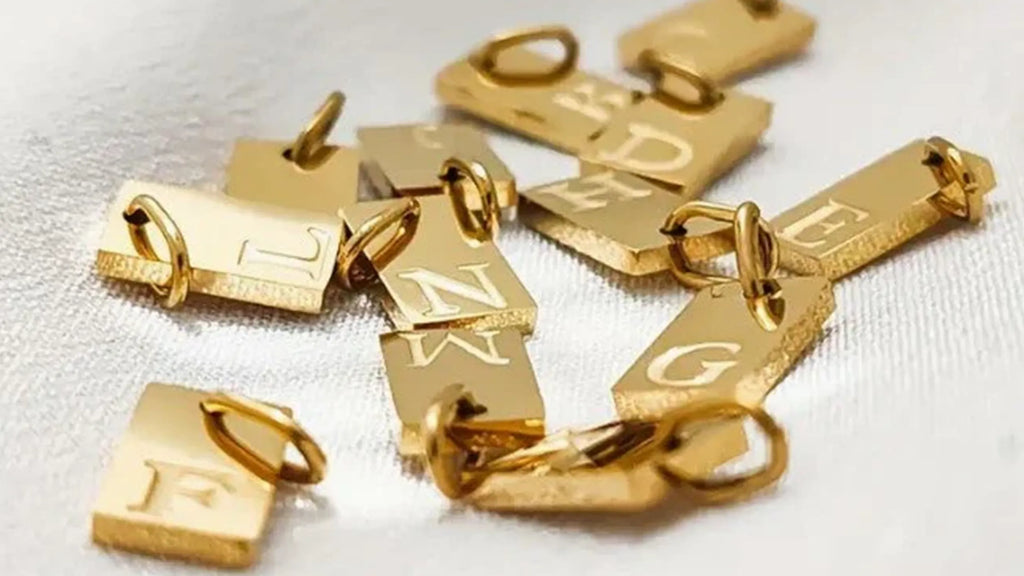
How to Apply Your Mariposa Initial Pendant Charm to Your Necklace: A Step-by-Step Guide
Welcome to our guide on how to securely attach your "Mariposa" Initial Pendant charm to your necklace! We understand that some charm o-rings may not fit every necklace, so we've crafted this easy-to-follow tutorial to help you showcase your beautiful charm with ease.
Materials Needed
- Mariposa Initial Pendant charm
- Jewellery pliers or a pair of tweezers
- Necklace (that you want to use the charm with)
Step-by-Step Instructions
Step 1: Remove the Charm from its Packaging
Begin by carefully taking the charm out of its packaging. Ensure you handle it gently to avoid any damages.
Step 2: Identify the Existing O-Ring
Look at the charm and locate the o-ring. This is the small round metal loop that connects the charm to the chain.
Step 3: Open the O-Ring
Using your jewellery pliers or tweezers, gently grasp the o-ring. To open it, push one side of the ring away from you while pulling the other side toward you. Be careful not to distort the shape of the o-ring.
Step 4: Attach the Charm to Your Necklace
Now, slide the o-ring onto your necklace chain. Ensure it is positioned where you want the charm to hang.
Step 5: Secure Everything
Once the charm is on your necklace, close the o-ring by reversing the opening process. Make sure it’s tightly secured to prevent the charm from falling off.
Watch Our Video Demonstration!
For a visual guide, check out our step-by-step video here to see the process in action. Watching it may help clarify any steps that seem tricky.
Now you can wear your "Mariposa" Initial Pendant charm with confidence!

If you live with anxiety or ADHD, you'll know that keeping your hands busy can make a real difference to how you feel and focus. Fidget rings — also known as spinner rings or sensory rings — are one of the most elegant and discreet tools for doing exactly that. Here's everything you need to know about choosing the best fidget ring for anxiety and ADHD, plus our top picks from the Wyldflower collection.
Why Fidget Rings Help with Anxiety and ADHD
The science behind fidget tools is straightforward: repetitive physical movement can help regulate the nervous system, reduce cortisol levels, and improve concentration. For people with anxiety, having something to redirect nervous energy into can interrupt the cycle of anxious thoughts. For those with ADHD, the gentle stimulation of a fidget ring can actually improve focus by satisfying the brain's need for input.
What makes rings particularly great is that they're always with you, they're socially invisible, and they don't make noise — unlike clicking pens or tapping fingers!
What to Look for in a Fidget Ring
Not all fidget rings are created equal. Here's what to consider when choosing one:
- Movement type: Spinning outer bands are the most popular for anxiety relief. Textured surfaces are great for grounding and sensory seeking.
- Fit: A ring that's too loose will spin off; too tight and it becomes uncomfortable. A snug but comfortable fit is ideal. Use our ring size guide to find your size.
- Material: Hypoallergenic materials are essential if you're wearing a ring all day, every day. Look for surgical-grade stainless steel or sterling silver.
- Weight: Some people prefer a heavier ring for a more grounding sensation; others prefer something lightweight and barely-there.
- Style: You're more likely to wear it consistently if you love how it looks — so choose something that feels like you.
Our Top Fidget Rings for Anxiety and ADHD
All of our rings in the Sensory Jewellery collection are designed with both beauty and function in mind. Here are our top picks:
"Starlight" Sensory Ring
The Starlight is our most popular fidget ring, and it's easy to see why. Its spinning outer band provides satisfying, smooth rotation that's perfect for redirecting anxious energy. Elegant enough for any occasion, grounding enough for your hardest days.
"Stardust" Sensory Ring
For those who prefer tactile texture over movement, the Stardust offers a beautifully detailed surface that's deeply satisfying to run your fingers over. A wonderful choice for sensory seekers and those who find grounding through touch.
"Lavender" Sensory Ring
Delicate and calming, the Lavender ring is ideal if you want something subtle and feminine. Its gentle design makes it a great everyday ring that doubles as a discreet anxiety tool.
"Maple" Sensory Ring
Clean, minimal, and endlessly wearable — the Maple is perfect for those who prefer understated style. Its smooth finish provides a quiet, calming sensation that's ideal for low-key stimulation throughout the day.
"Viola" Sensory Ring
The Viola brings a touch of romance to sensory jewellery. A beautiful option for those who want their fidget ring to feel like a special piece of jewellery first and a wellness tool second.
"Camellia" Sensory Ring
Inspired by the camellia flower, this ring features intricate detailing that's as beautiful to look at as it is to touch. A wonderful gift for someone who deserves a little extra calm in their day.
Tips for Getting the Most Out of Your Fidget Ring
- Wear it on your dominant hand so it's always accessible when you need it most.
- Use it intentionally — when you notice anxiety rising or focus slipping, consciously engage with the ring rather than waiting until you're overwhelmed.
- Pair it with breathwork: Try spinning the ring slowly in time with a deep breath in, and back again on the exhale. Simple, effective, and discreet.
- Stack it: Many of our sensory rings look beautiful stacked with other rings. Mixing textures can add extra sensory interest.
A Thoughtful Gift for Someone You Love
Fidget rings make incredibly thoughtful gifts for friends or family members who live with anxiety or ADHD. They're practical, beautiful, and show that you truly understand what they need. Browse our full Sensory Jewellery collection to find the perfect piece.


